 2C1. Managing Tensions and Trade-offs in Organizational Learning: WUSC’s Journey
Learning organizations should be able to learn across functions and projects, respecting the diversity of knowledge and truths within any system while articulating a whole that is more than the sum of its parts.
In this presentation, we will share lessons from more than six years of implementing a series of new management processes and tools to improve program monitoring and evaluation, and organizational learning at WUSC, a Canadian NGO supporting global youth development.
Our story highlights the processes that we undertook to develop more coherent and systemic processes for monitoring and evaluation within the organization. Steps included but were not limited to: development of an internal database for storing project information and performance management data; establishment of a coherent project learning and reporting cycle; development of global indicators shared across programs; and, the establishment of a principles-based annual internal learning process leading to a global results reporting exercise. We point to a number of areas of creative tension. These include tensions between articulating and understanding program contributions in their context vs. articulating global organizational results; perceived trade-offs between encouraging upward accountability and information flows within the organization vs horizontal and context relevant learning within and between program teams; and tensions between responding to donor reporting requirements with an increased diversity of donors, and managing WUSC’s own learning within the context of our own theory of change; and finally,, balancing the need for increasingly codified and comparable data with listening to the rich stories of systems change that underpin our organization’s mission.
WUSC is now in the process of revising these processes and developing a new Monitoring, Evaluation, Research and Learning strategy that leans into some of these tensions. Our presentation will focus on our lessons learned and engage the CES NCC Community to craft our path forward.
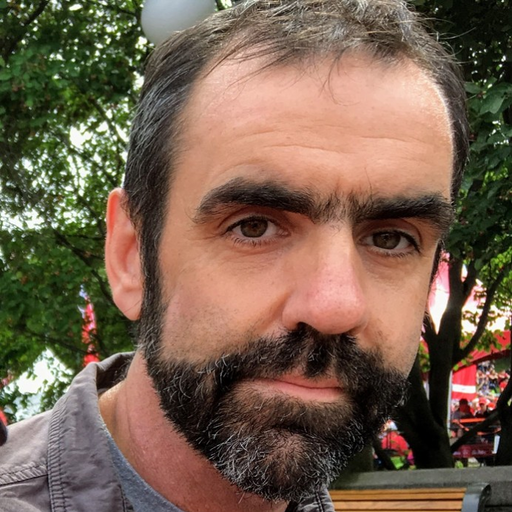 Jim Delaney, Director Technical Services, WUSC
The first two decades of Jim Delaney’s career were spent in Southeast and South Asia, which developed a strong sense of humility and a belief that outsiders who work in development need first and foremost to learn how to listen. At the time, he worked primarily in local economic development, participatory planning and environmental conservation. Jim has spent the last decade in Ottawa working for WUSC leading their technical services team, and recently started as a Visiting Professor with the School of International Development and Global Studies at the University of Ottawa, where he continues his quest to get academics, policymakers and practitioners to play nice in the sandbox, one well-designed logic model at a time.
 Marcella Randazzo, Global MERL Manager, WUSC
Marcella Randazzo has been working with WUSC since 2016 and is the Global MERL Manager, championing a culture of evidence-based decision-making and continuous learning across the organization, and leading the development and implementation of the new WUSC’s MER strategy, shaping corporate processes to foster organizational performance measurement and project-focused MERL systems supporting team to assess and documenting systems change. She is based in Ottawa and has over 20 years of experience in research and development project evaluation, within academic institutions, INGOs and the UN system.